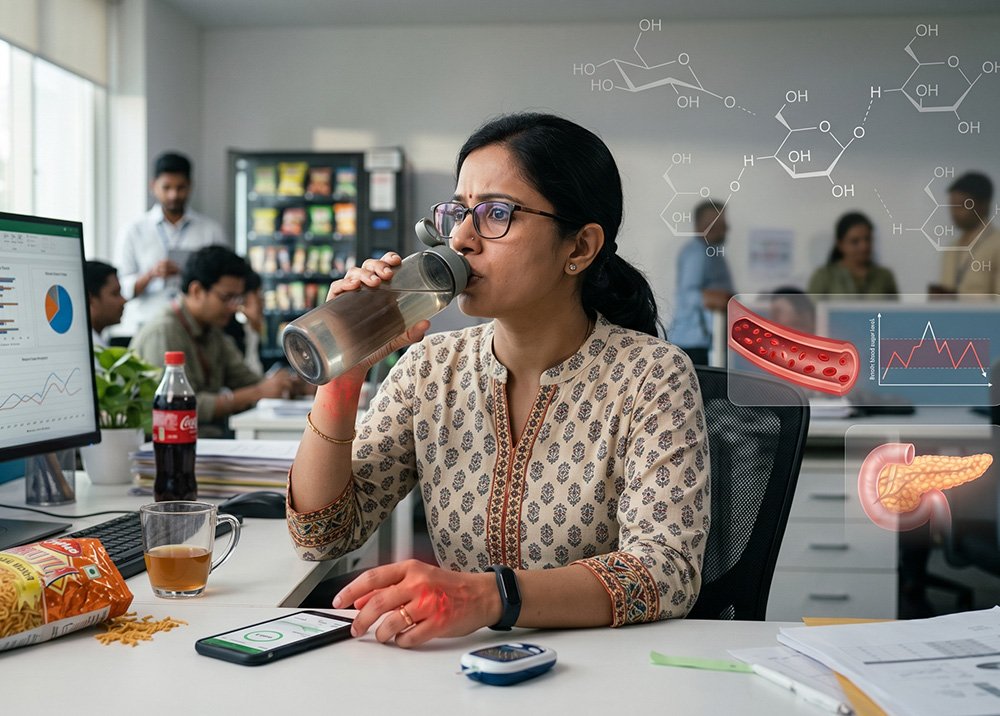
Relying solely on a single, isolated finger-prick test can create a dangerous false sense of security. While standard blood sugar monitoring provides a snapshot of your glucose levels at that exact second, it completely misses the dramatic spikes and steep drops that happen between tests. These hidden, rapid fluctuations can occur without causing any immediate physical warning signs, silently straining your blood vessels and accelerating vital organ damage behind the scenes.
Dr. K. Vinoth, Senior Consultant Diabetologist and founder of Madurai Diabetes Clinic, K. Puthur, Madurai, explains that these invisible glucose shifts are a primary driver of long-term vascular complications. To truly optimize metabolic health, management must evolve beyond occasional spot-checks. Utilizing continuous glucose monitoring (CGM) uncovers these hidden glycemic trends in real time, allowing us to catch and intercept dangerous spikes before they ever have a chance to damage your body.
Why Spot-Checking Fails to Show the Whole Picture
A single finger-prick test tells you your blood glucose level at that exact second. However, your metabolism is dynamic, constantly changing based on food, stress, sleep, and physical activity. Traditional glucose monitoring often misses critical fluctuations, such as:
- Post-Meal Spikes: Sharp rises in glucose levels right after eating Tamil dietary staples like white rice or tiffin items.
- Nocturnal Hypoglycemia: Dangerous drops in blood sugar that occur silently while you sleep.
- The “Rollercoaster” Effect: Rapid shifts from high to low sugar levels that cause fatigue but go unnoticed between scheduled tests.
- Stress-Induced Surges: Sudden spikes caused by work anxiety or lack of sleep that regular meters rarely catch.
Without comprehensive data, achieving optimal diabetes management becomes a game of guesswork.
What Is Continuous Glucose Monitoring (CGM)?
Modern technology now allows patients to track glucose levels continuously through continuous glucose monitoring systems.
A CGM device uses a small sensor placed under the skin to measure glucose levels throughout the day and night. Unlike occasional finger-prick testing, CGM for diabetes provides real-time information about glucose trends and fluctuations.
Benefits of continuous glucose monitoring include:
- Detecting hidden glucose fluctuations
- Identifying post-meal sugar spikes
- Monitoring overnight glucose changes
- Understanding the effect of food and exercise
- Providing alerts for high and low glucose levels
- Supporting better treatment decisions
This advanced approach to glucose monitoring allows patients and doctors to see the complete picture rather than isolated readings.

“Diabetes complications often begin long before symptoms appear. The key is not simply checking blood sugar occasionally, but understanding what glucose is doing throughout the day and taking action before damage occurs.”
Why HbA1c Alone May Not Be Enough
Many patients focus only on their HbA1c report. While HbA1c remains an important marker, it represents an average blood sugar level over the previous few months.
Two patients may have identical HbA1c values but very different glucose patterns:
- One may have stable glucose control
- Another may experience frequent highs and lows throughout the day
This is why comprehensive blood sugar monitoring has become an important part of modern diabetes care.
The Hidden Risks of Blind Spots in Diabetes Management
Believing that a normal fasting test means your diabetes is perfectly controlled can be misleading. Leaving frequent post-meal spikes or hidden nighttime drops unaddressed can lead to serious health complications over time, including:
- Progressive nerve damage (Diabetic Neuropathy)
- Microvascular changes affecting vision (Retinopathy)
- Increased stress on the kidneys (Nephropathy)
- Accelerated cardiovascular risks
- Delayed optimization of your personalized treatment plan
Advanced Metabolic Evaluation in K. Puthur
At Madurai Diabetes Clinic, patients receive comprehensive metabolic evaluations using advanced diagnostic tools and modern management strategies:
CGM Assessment & Mapping: In-depth evaluation using CGM in K. Puthur Madurai to map out your unique 24-hour glucose profile.
Glycemic Variability Analysis: Measuring the severity of your daily peaks and valleys to stabilize your metabolism.
Complication Screening: Early screening for nerve, kidney, and vascular health to prevent long-term damage.
Targeted Therapy Optimization: Adjusting medications precisely based on continuous data rather than estimates.
Lifestyle Changes That Reduce Blood Sugar Spikes
Effective diabetes management involves more than medication alone.
Simple strategies include:
- Choosing balanced meals with adequate protein and fiber
- Avoiding sugary drinks and processed foods
- Eating at regular intervals
- Walking after meals
- Maintaining a healthy weight
- Managing stress effectively
- Getting sufficient sleep
Combining these habits with proper glucose monitoring can significantly improve long-term diabetes outcomes.
Achieving Better Control Without Drastic Restrictions
Stabilizing your blood sugar doesn’t mean giving up your lifestyle. With continuous data, personalized adjustments can lead to long-term success:
- Smart Carbohydrate Distribution: Learning exactly how your body responds to local foods and adjusting portion sizes rather than skipping meals.
- Activity Timing: Taking a short 10-minute walk precisely when your trend arrow shows a post-meal rise.
- Medication Pairing: Adjusting insulin or oral therapy doses to match your peak spike times perfectly.
- Stress & Sleep Care: Observing how a poor night’s sleep alters your morning baseline and taking corrective steps.
Visit Madurai Diabetes Clinic, K. Puthur, Madurai
Consult Dr. K. Vinoth for the evidence-based diabetes management in K. Puthur. He combines advanced clinical protocols with targeted lifestyle changes, nutritional guidance, and habit optimization to achieve diabetes stability.
Achieve better glucose control and long-term metabolic health with guidance from a leading diabetes specialist in Madurai.
Book Appointment: +91 80565 90930
Email: drvinothmdc@gmail.com
Serving Patients across K. Puthur, Anna Nagar, KK Nagar, Surveyor Colony, Tallakulam, Mattuthavani, and nearby areas of Madurai.
About the Doctor
Dr K. Vinoth (MBBS, MD, D.Diab) is a senior Consultant Diabetologist and the founder of Madurai Diabetes Clinic. With over 20 years of clinical experience, he is one of the few specialists in Tamil Nadu to hold an NMC-recognised Diploma in Diabetology from Madras Medical College. Dr. Vinoth specializes in treating Type 1 and Type 2 diabetes, gestational diabetes (pregnancy), and preventing long-term metabolic complications.